


Understanding Spray Foam Insulation
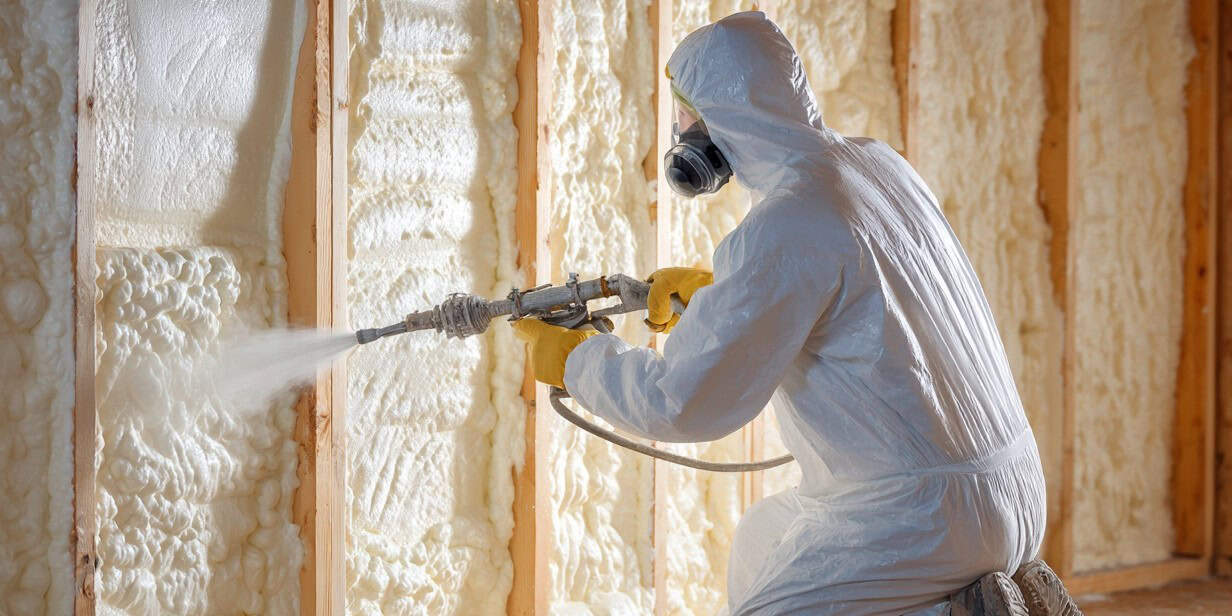
Spray foam insulation is created by mixing two components: isocyanate and polyol resin. When combined during application, they expand rapidly and harden to form a dense, insulating barrier that seals air gaps.
There are two main types:
- Open-cell spray foam: Lightweight and flexible, ideal for soundproofing interior walls.
- Closed-cell spray foam: Denser, moisture-resistant, and provides a higher R-value per inch.
Each type is safe for indoor use when properly installed and has been approved under Canadian building codes.
Safety Concerns — Myth vs. Reality
Is spray foam safe indoors?
Yes—after it’s cured. The concern arises primarily during application, when fumes are present. Once cured (typically after 24 to 48 hours), spray foam becomes inert, non-toxic, and odor-free.
Common misconceptions:
- “It releases harmful fumes forever.” False. After proper curing, spray foam does not off-gas VOCs.
- “It causes mold.” False. Closed-cell spray foam helps prevent mold by acting as a moisture barrier.
- “It’s unsafe for basements or garages.” False. It’s ideal for below-grade areas, especially when moisture protection is needed.
Learn more about safe spray foam applications from our certified team.
Why Local Homeowners Choose Spray Foam
Oakville and Brampton: Spray foam is popular for insulating attached garages and upgrading attic insulation to reduce drafts.
Caledon: Closed-cell spray foam is commonly used in basements to address humidity and condensation issues.
King City: In high-performance luxury homes, spray foam is used throughout walls, subfloors, and rooflines to meet energy-efficiency standards.
Key Benefits of Indoor Spray Foam Insulation
- Air Sealing: Great for older homes in Brampton where fiberglass insulation fails to seal gaps.
- Indoor Air Quality: Reduces airborne allergens in Oakville and Caledon.
- Moisture Control: Acts as a vapor barrier in damp environments like King City.
- Sound Dampening: Excellent for room-to-room noise reduction using open-cell spray foam.
Where It’s Used Indoors
| Location | Use Case | Benefit |
|---|---|---|
| Attics | Air sealing | Reduces heat loss and drafts |
| Basements | Wall and rim joists | Controls moisture and cold |
| Garages | Ceilings/walls | Improves thermal barrier to home |
| Floors | Above crawlspaces | Prevents cold floors |

The Importance of Professional Installation
DIY foam kits are risky. Poor application can lead to off-gassing, incomplete curing, and even damage to your home’s structure.
Certified professionals ensure:
- Proper mixing and spraying
- Ventilation during cure time
- Building code compliance
Discover how expert attic insulation installation improves safety and long-term performance in Ontario homes.
Indoor Foam in Renovations vs. New Builds
Renovations: Great for upgrading attics and basements in Brampton and Caledon. Spray foam replaces outdated batt insulation for better comfort and savings.
New Construction: In King City and Oakville, it’s applied throughout the structure before drywall for airtight performance.
Visit our blog to see other spray foam applications for home performance.
Post-Installation: What to Expect
- More stable indoor temperatures
- Fewer cold spots or drafts
- Less HVAC run-time, leading to energy savings
Homeowners in Oakville and Brampton have noticed real changes in comfort and monthly bills just weeks after installation.
Final Thoughts: Safe, Smart, and Efficient
Spray foam insulation is not only safe for indoor use—it’s a smarter way to build or retrofit in Ontario. Whether you’re improving an older basement in Caledon, sealing a drafty garage in Oakville, or upgrading your King City custom build, this high-performance material will deliver comfort and savings.