
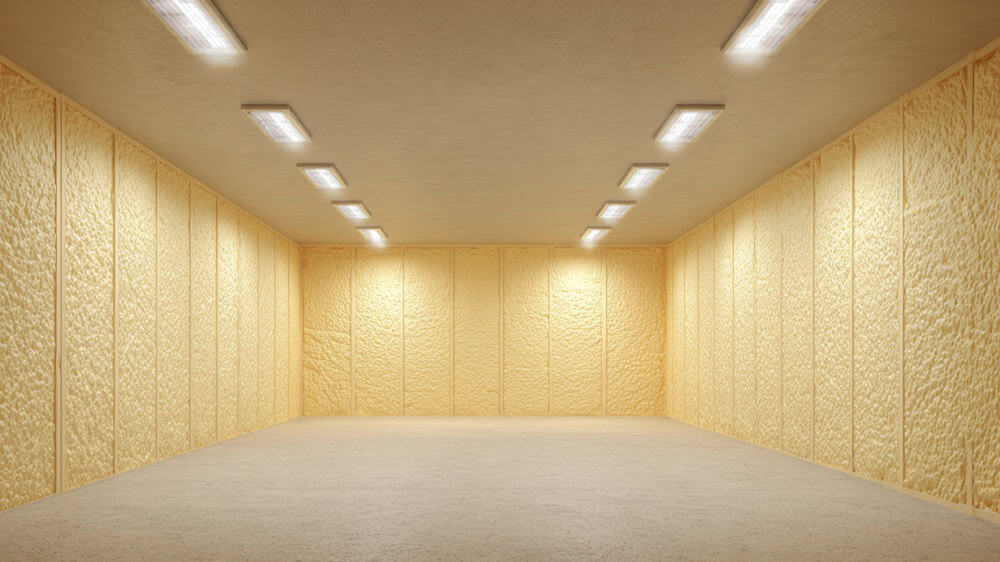

“Yes—done right, basement insulation pays back in comfort, moisture control, and energy savings. Concrete is cold and porous; uninsulated walls invite condensation, drafts, and mold risk. The most durable approaches put an air- and vapor-managed foam layer against the foundation (e.g., closed-cell spray foam or rigid foam board with sealed seams), then finish as needed. Prioritize the rim joist, where air leaks and condensation are common. In Southern Ontario’s cold-humid climate, these assemblies reduce heat loss, stabilize temperatures, and make below-grade rooms livable year-round—often increasing resale appeal. If your basement shows damp spots or musty odours, address moisture first, then insulate with a system that supports inward drying and provides a continuous air barrier. For homes in King City, Nobleton, Schomberg, and Kinghorn, upgrading the basement is one of the highest-impact comfort improvements you can make.” (Sources: BuildingScience.com, Natural Resources Canada)
WHY BASEMENT INSULATION PAYS OFF IN KING TOWNSHIP
COMFORT, MOISTURE CONTROL, AND ENERGY STABILITY
Concrete isn’t just cold—it’s porous. Without a managed air and vapor layer, warm indoor air can meet cold concrete and form condensation. The right system blocks that path, reducing musty odours, discouraging mold, and making floors and walls feel warmer underfoot. Expect more even temperatures, quieter rooms, and a basement that’s ready for family use—not just storage.
LOCAL CONDITIONS MATTER
Southern Ontario’s cold-humid winters and humid summers demand assemblies that both insulate and manage moisture. That’s why the best approaches pair insulation with continuous air sealing and inward-drying capability at the foundation and rim joist.
COMMON BASEMENT ASSEMBLIES (AND WHEN TO USE THEM)
Explore how your basement fits into the bigger picture of home performance with our
complete insulation services.
CLOSED-CELL SPRAY FOAM AGAINST FOUNDATION WALLS
What it is: A high-density foam applied directly to concrete for a continuous air, vapor, and thermal layer.
Best for: Damp walls, irregular surfaces, tight spaces, and the rim-joist band where condensation is common.
Why it works: Closed-cell foam resists moisture, delivers high R-value per inch, and seals cracks for fewer drafts.
RIGID FOAM BOARD + SEALED SEAMS
What it is: XPS/EPS or GPS boards mechanically fastened to concrete with taped seams and sealed edges; finish with studs and drywall.
Best for: Larger remodels where you want wiring/plumbing in the stud cavity.
Why it works: Provides a thermal break and controlled drying, with predictable thickness and cost.
HYBRID APPROACHES
What it is: Spray foam at rim joists and tricky areas, rigid foam on open wall runs, then framed finish.
Best for: Retrofits seeking the best balance of budget, performance, and buildability.
PRO TIP
Avoid placing fiberglass batts directly against concrete. Without a foam layer, batts can trap moisture and stay damp—bad for comfort and finishes.
THE CRITICAL SEAL — DON’T FORGET THE RIM JOIST
The rim/band joist is where framing meets foundation—full of joints, penetrations, and temperature swings. It’s the #1 air-leak and condensation hotspot in many basements. Sealing and insulating here with a continuous, air-impermeable layer can deliver a disproportionate comfort gain.

closed-cell spray foam to lock in an air- and vapor-managed seal before you frame.
COST VS. VALUE — WHAT HOMEOWNERS TELL US
PAYBACK IN COMFORT FIRST, ENERGY NEXT
Most King Township homeowners notice warmer floors, reduced draftiness, and less musty odour within days of a proper install. Energy savings accrue across heating and shoulder seasons, especially when the basement is part of the home’s conditioned space.
RESALE APPEAL
Finished basements with documented moisture-smart insulation often show better buyer reception. Buyers value a basement that feels like the rest of the home.
A CLEAN, DRY START — THEN INSULATE
BEFORE YOU BUILD: CHECKLIST
- Address bulk water first (leaks, grading, sump/discharge).
- Confirm walls are sound; repair cracks where needed.
- Plan for continuous air sealing and service penetrations.
- Choose an assembly that supports inward drying and your finish plan.
WHY LOCAL EXPERIENCE MATTERS
A properly insulated basement blends building-science logic with field craftsmanship. That’s where FOAMIT comes in: careful assessment, manufacturer-aligned methods, and a tidy, code-aware install from a team that works every week in King City, Nobleton, Schomberg, and Kinghorn.
Meet FOAMIT and see how our local approach keeps basements comfortable and dry all year.

FAQS — KING TOWNSHIP HOMEOWNER EDITION
How Does Basement Insulation Prevent Condensation On Cold Walls?
By placing an air- and vapor-managed foam layer (closed-cell spray foam or rigid foam with sealed seams) directly against concrete, warm indoor air can’t reach the cold surface—cutting off the condensation path at its source.
Which Areas Should I Insulate First If I’m On A Budget?
Start with the rim joist and the most exposed foundation walls. Sealing the rim delivers outsized comfort and moisture benefits, then extend across walls as budget allows.
Can I Use Fiberglass Batts On Basement Walls?
Only if there’s a continuous foam layer against concrete first. Batts alone against concrete risk dampness and mold.
What’s The Best Approach For Homes In King City, Nobleton, Schomberg, And Kinghorn?
Systems that combine continuous air sealing and inward-drying potential—typically closed-cell spray foam at the rim and either spray foam or rigid foam + sealed seams on walls—perform best in our cold-humid climate.
NEXT STEPS FOR YOUR HOME
If you’re ready to reclaim comfort—and protect finishes from condensation—schedule your local visit today. Book your King in-home estimate in King City, Nobleton, Schomberg, or Kinghorn, and we’ll recommend the right assembly for your space.